

Japan's Aging Population
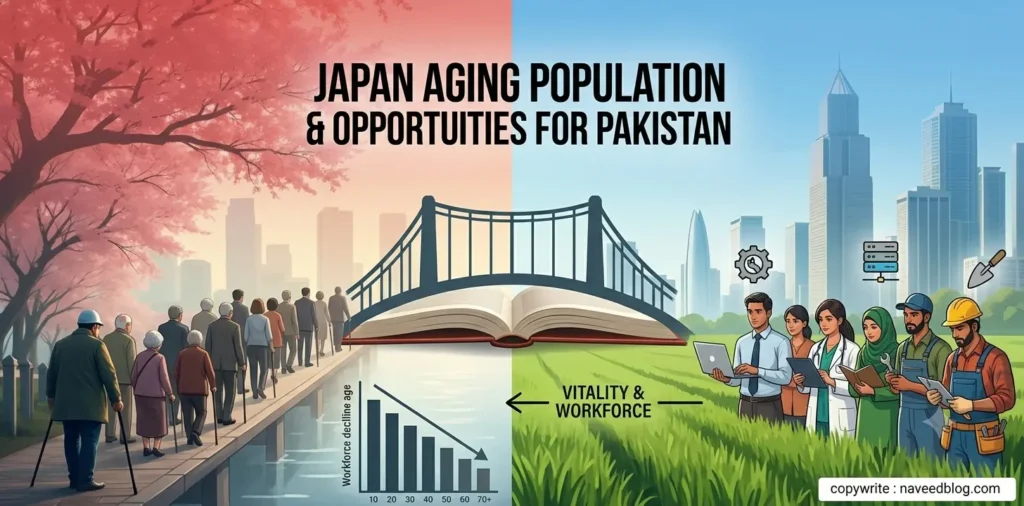
In April 2025, Japan’s Ministry of Internal Affairs revealed an alarming trend. Japan’s population crisis has now stretched into its 14th consecutive year of decline. As of October 2024, the total population — including foreign residents — stood at 123.8 million, down by 550,000 from the previous year. Among these, 120.3 million were Japanese nationals, a decrease of 900,000 in just one year.
Even more concerning:
- 30% of the population is now aged 65 or older (a record high).
- Only 11.2% are under 15 years old, the lowest proportion ever recorded.
Meanwhile, immigration contributed a net increase of 340,000 foreign residents, marking the third consecutive year of positive social growth. Still, the aging workforce remains a critical issue. This shift poses significant economic challenges. It also highlights the urgent need for a young, skilled workforce to sustain Japanese industries. As a result, innovative solutions are needed to balance the workforce and support economic growth.
To tackle this, the Japanese government has launched several initiatives. These include increasing childcare support, raising young workers’ wages, and even offering matchmaking services. However, meaningful impact will take years. In the meantime, a major opportunity has emerged for countries like Pakistan to step in and support Japan’s skilled labour shortage.
Japan TITP Program: An Opportunity for Pakistan
In 1993, Japan launched the Technical Intern Training Program (TITP) to transfer skills to developing countries through on-the-job training. Realistically, TITP has evolved into a pathway to supplement Japan’s shrinking workforce. Pakistan — the world’s 5th largest country by population, with more than 60% under the age of 30 — should have been a major beneficiary. Yet, progress has been disappointing. Despite signing a Memorandum of Cooperation (MoC) with Japan in February 2019, Pakistan has only managed to send 123 interns in six years, compared to:
- Vietnam: 203,977 interns
- Indonesia: 87,090 interns
- Philippines: 37,914 interns
- Myanmar: 31,069 interns
- China: 26,780 interns
- Cambodia: 14,913 interns
- Thailand: 12,025 interns
- Pakistan: 123 interns
(Data as of June 2024)
Why Has Pakistan Lagged Behind?
Key barriers include:
- Bureaucratic delays
- Lack of commitment and non-serious attitude from 88 approved “Sending Organisations”
- Inefficiencies within Ministries (OE&HRD, FE&PT, MOFA), and other TVET Organisations like NAVTTC, TVETAs for not preparing the interns to meet the standards of Japanese industry and Supervision Organizations
- Non-availability of institutes capable of imparting Japanese language and culture training
- Delayed response from the Japanese government agencies to take decisions
What Pakistan Needs to Do Immediately
✅ Establish a One-Window Facilitation Centre: Set up a streamlined operation under the Ministry of Foreign Affairs to cut red tape.
✅ Activate the Embassy of Pakistan in Japan: Accelerate visa processing and resolve documentation hurdles in collaboration with Japanese authorities.
✅ Launch a Nationwide Awareness Campaign: Educate youth about TITP’s benefits at the individual and national level.
✅ Expand Japanese Language and Culture Training: Open more JLPT N4/N5 training centres, engaging native Japanese instructors where possible.
✅ Certify and Upskill Interns Quickly: Leverage TVET institutes and universities to certify skills and offer gap training programs.
✅ Set Aggressive Placement Targets: Aim to send at least 5,000 interns by December 2026 to Japan.
✅ Hi-tech skills training: there is a need to impart Hi-tech training to interns going to Japan like Digital Marketing and SEO and Graphics Design
Final Thoughts
Pakistan stands at a crossroads: It can either allow bureaucratic hurdles to waste its greatest asset — its youth — or it can transform its demographic advantage into real economic growth. Seizing the TITP opportunity is not just about sending workers abroad. It’s about empowering a generation, enhancing skills, boosting remittances, and strengthening Pakistan-Japan relations. The time to act is now